The name Melbourne means “Mill Stream” or “Mill Spring” and it was first recorded in the Domesday Book in 1086 as “Mileburne” a royal manor. The Parish church was originally built around 1120AD, though the Domesday Book records a church and a priest present in 1086.
Melbourne parish church has been described as a “cathedral in miniature” and is one of five churches in Melbourne. Most of the original masonry is intact, except for the eastern end which has been refurbished. The roofs, naves, aisles and the aisle windows date from the restoration of the 1630s. There was also a restoration done by Gilbert Scott between 1859-62.
Melbourne Hall was originally the rectory house for the Bishop of Carlisle, but was substantially rebuilt by Thomas and George Coke in the early 18th century. The hall’s gardens were laid out with the assistance of royal gardeners in 1704. They contain examples of the work of Derby ironsmith Robert Bakewell. Melbourne Pool was originally used by the nearby mill.
The Thomas Cook Memorial Cottages in High Street were built by Thomas Cook, the founder of the travel company, Cook was born in Melbourne in 1808 though his birthplace was demolished in 1968. The buildings built in 1890-91 include fourteen cottages, a bakehouse, a laundry and mission hall. They still provide accommodation for some of Melbourne’s senior citizens.
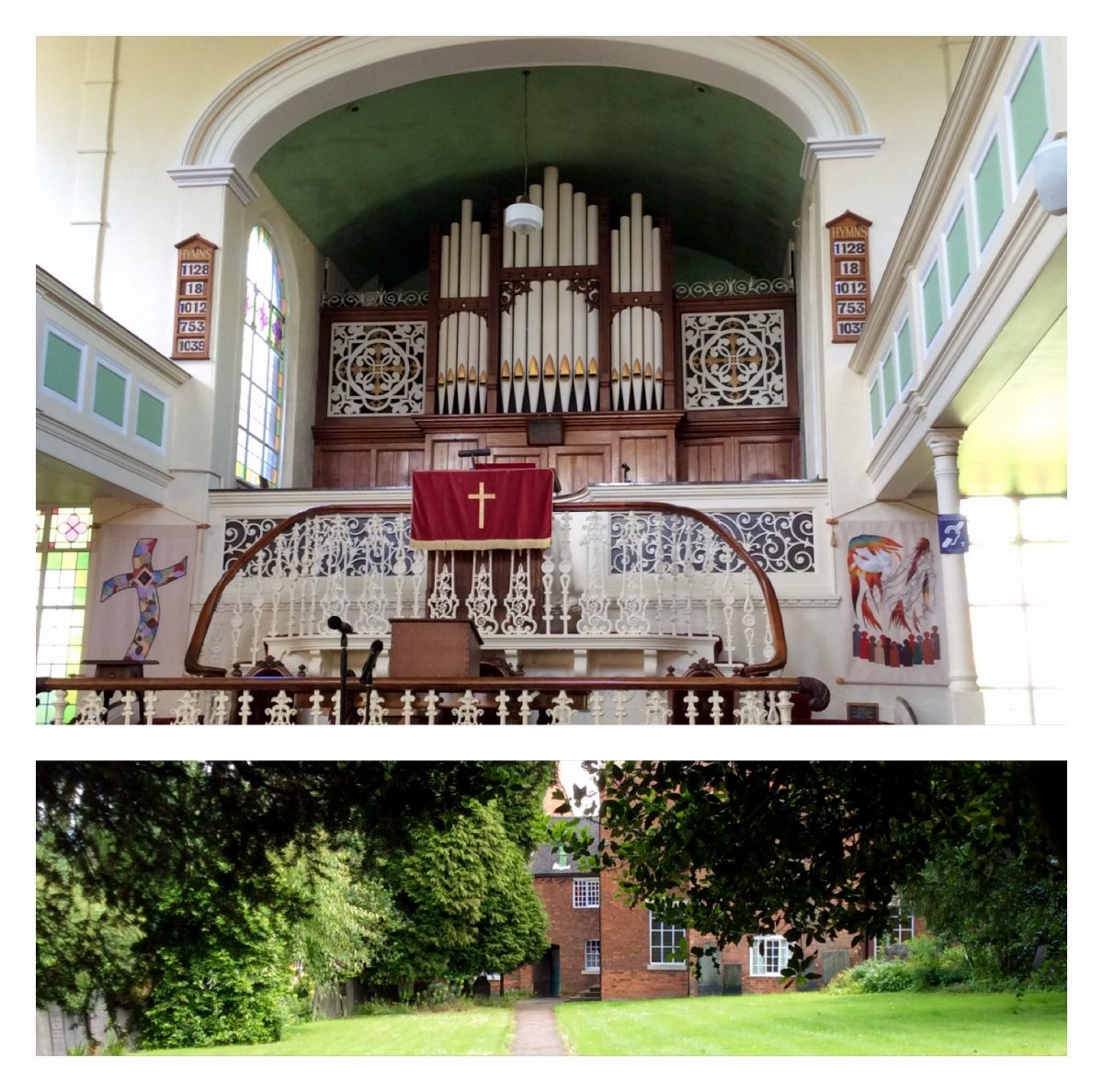
 Melbourne Baptist Church